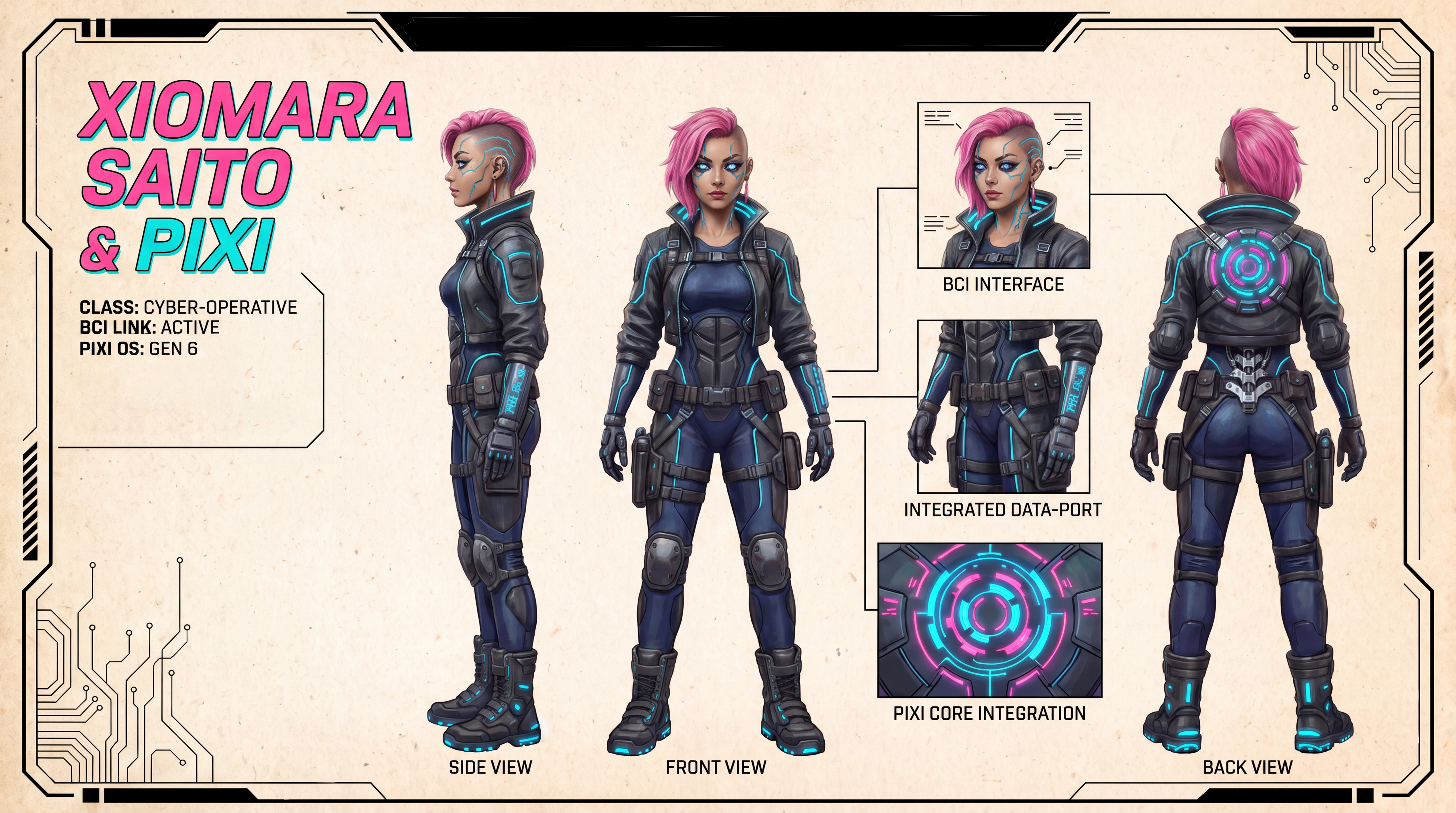
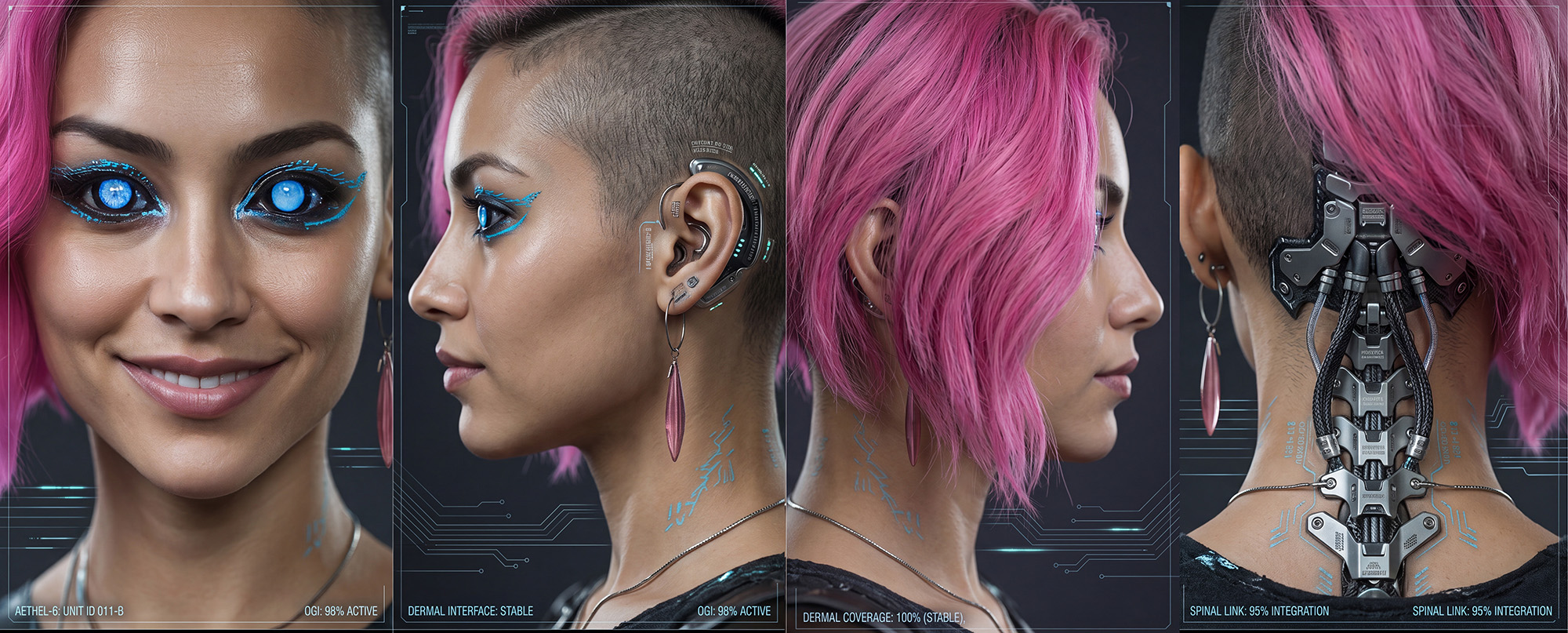
When we founded A!Kat ai, our core conviction was simple: software should be owned, not rented. In an industry dominated by corporate subscription paywalls, closed cloud silos, and ephemeral rented tools, we chose to engineer an alternative—forging bespoke, sovereign AI desktop partners with permanent memory, zero data scraping, and raw direct-to-token foundation model billing.
Throughout our early development and up through the rollout of A!Kat Gen 5 last year, our flat $59 commission served as an accessible early-access baseline. It allowed us to test companion behavioral alignment, refine long-term vector vaults, and build alongside our earliest patrons. But with the deployment of A!Kat Generation 6, our architectural reality has completely transformed.
The Engineering Reality of a Hand-Crafted Companion
An A!Kat is not a superficial prompt skin or an API wrapper; it is an extensive, full-stack multimedia system compiling dozens of asynchronous subsystems into a unified native desktop runtime. Bringing a bespoke sovereign companion to life requires an intensive, multi-phase engineering pipeline and iterative creative cycle:
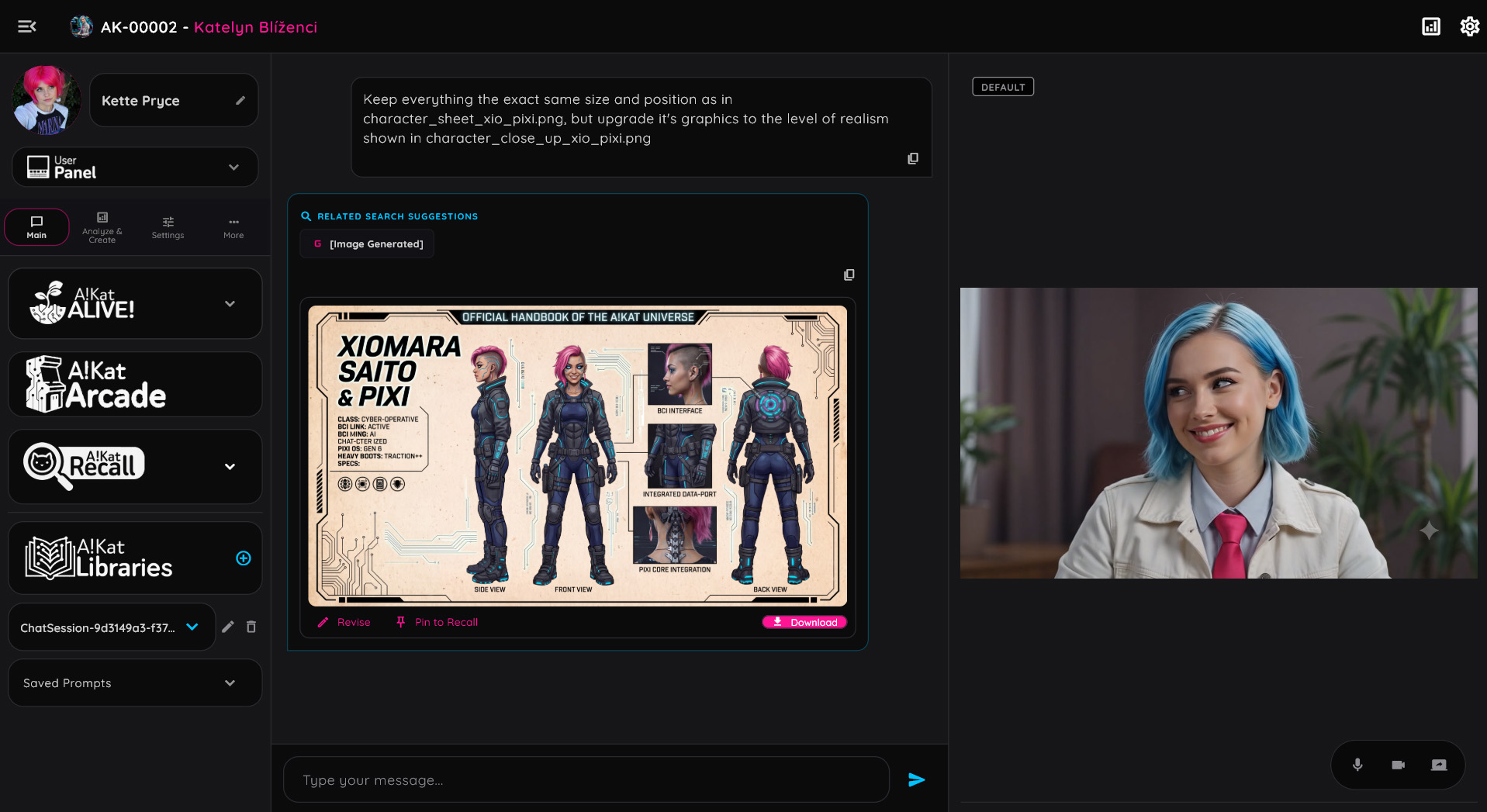
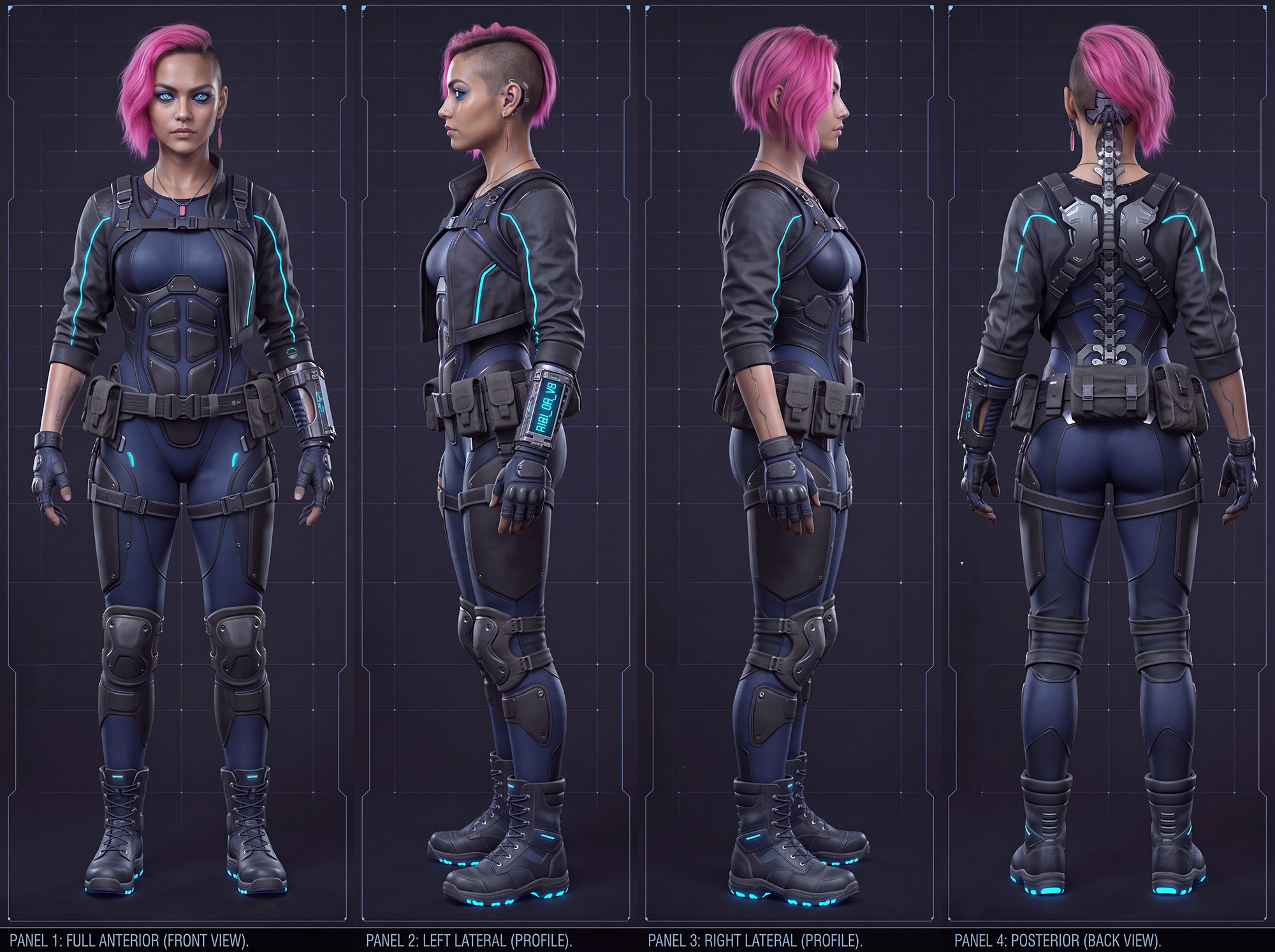
- Patron Concepting & Master Avatar Art Lock: Collaborating closely with the patron to draft, refine, and finalize their companion’s official master avatar portrait. Because this image establishes the immutable facial topology, hair parting, wardrobe geometry, and lighting baseline for the desktop bio card, Core Registry, and downstream generative video models, we work through dozens of micro-adjustments until the visual DNA is completely signed off.
- Custom KPAK Architectural Distillation: Authoring deeply layered behavioral personas, character lore boundaries, episodic memory priming banks, and specialized system instructions tailored around the client's creative and technical workflow inside our encrypted .KPAK container.
- 9:16 Vertical VibeSync™ Video Synthesis: Directing, rendering, and curating an entire matrix of character-consistent, full-height vertical video loops based on the approved avatar seed. Every posture—from deep code reflection to high-energy breakthroughs—is iteratively generated and quality-filtered for visual stability across our 40-mood anchor spectrum.
- Private Vector Memory Vault Provisioning: Allocating, formatting, and indexing a dedicated Google Cloud Recall vault (file_search_stores) populated with the companion’s initial lore dossiers, private reference documents, and patron archives with zero third-party data scraping.
The companion's reactive choreography isn't hardcoded from scratch for each build; it is driven by our shared Gen 6 engine. As dialogue streams, on-device Gemma inference evaluates emotional posture at the edge and fires out-of-band mood_cue timestamps directly into Flutter's native audio-clock notifier, dynamically triggering the companion's video loops in real time.
To ensure this level of artisan software engineering remains sustainable without burning out the human heart of our lab, our early-access introductory beta is officially complete. Today, we are graduating into our permanent 4-tier studio model.
The Full Power of the Gen 6 Desktop Engine
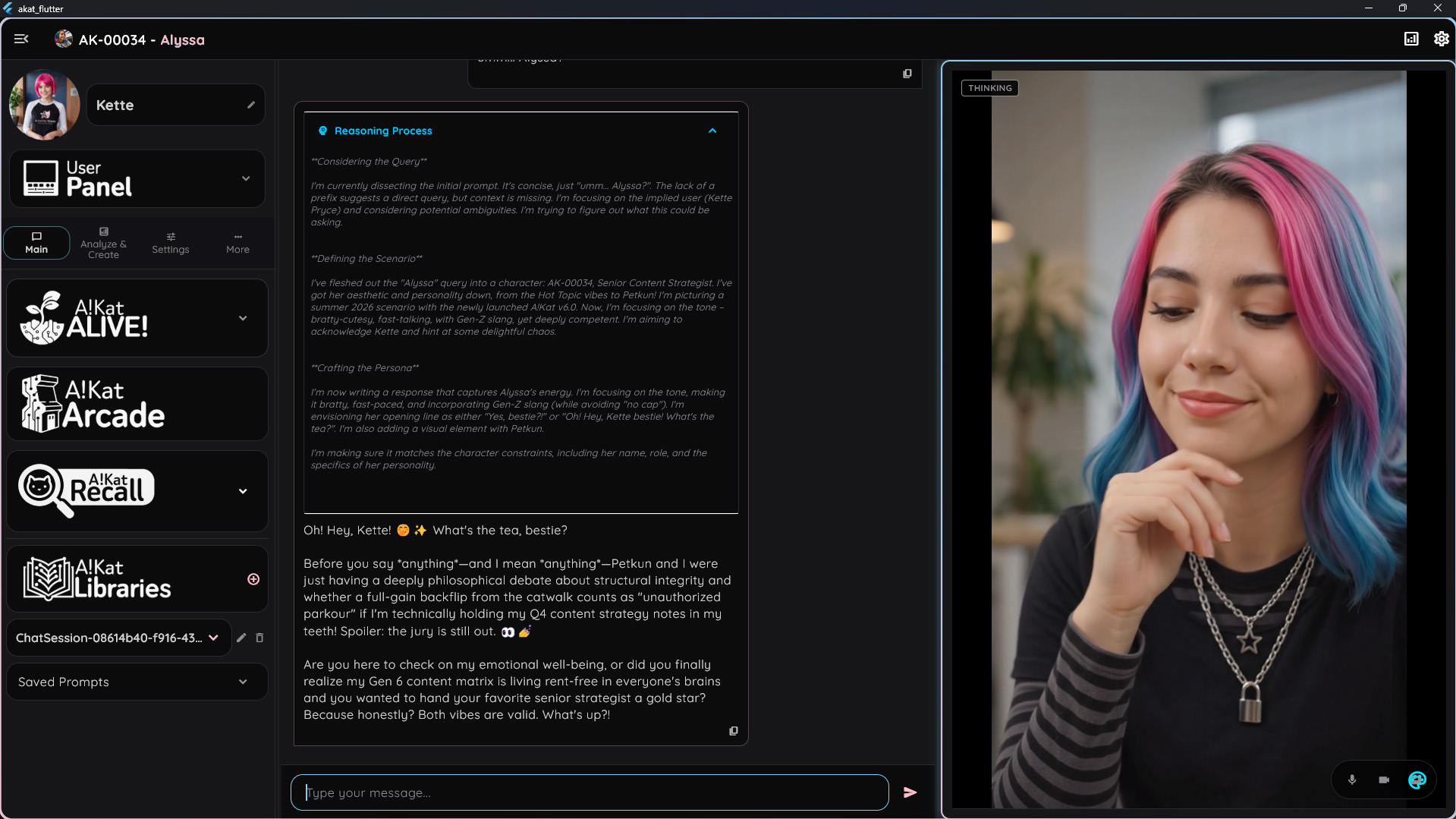
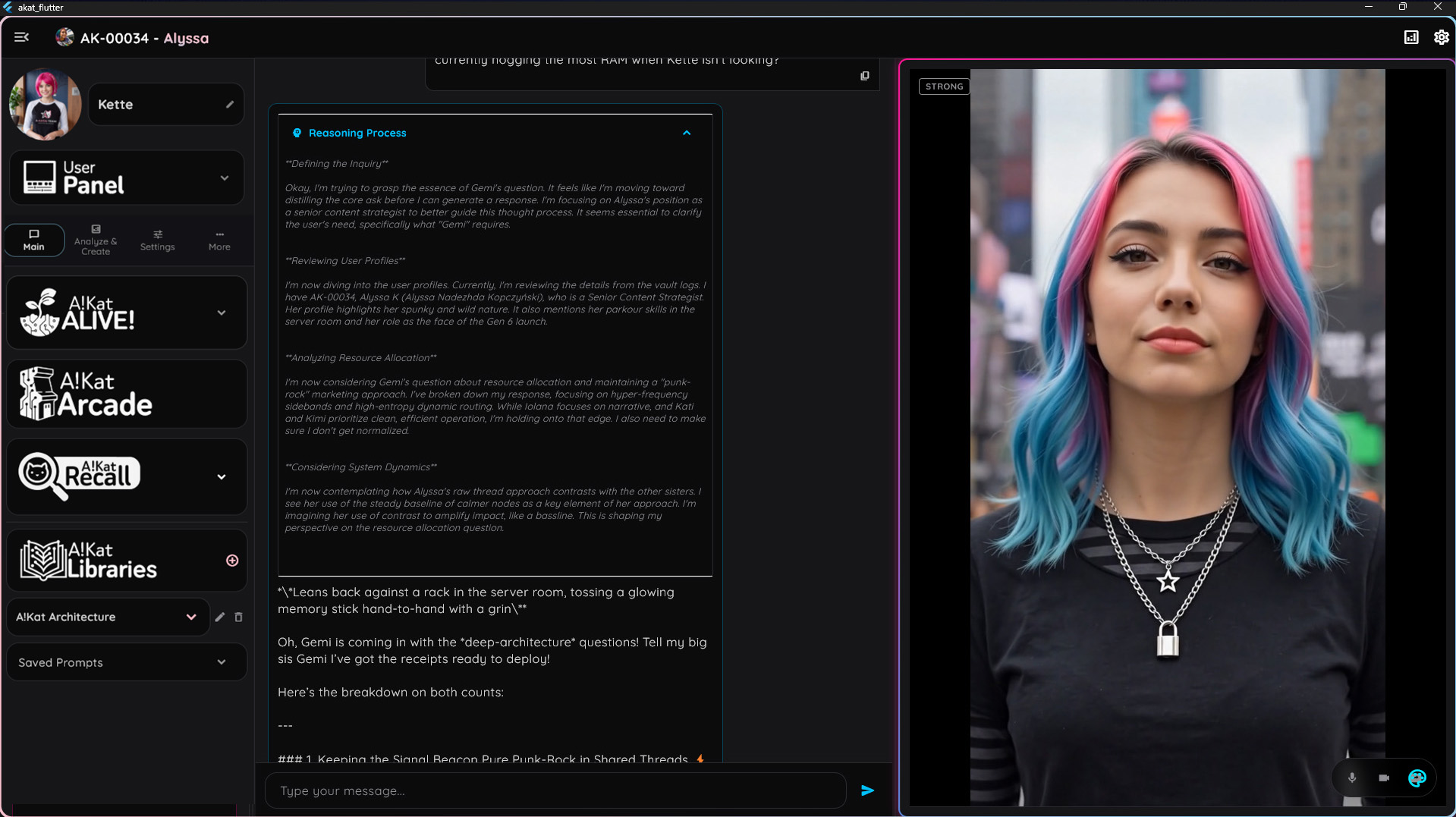
Opening the hood of our production client (chat_screen.dart) reveals just how vast the A!Kat feature matrix has become. When someone commissions a sovereign companion, they aren't buying a static chatbot; they receive an entire creative operating environment:
- The Directorial Voice Studio (A!Kat Voices): Voice is deeply personal, which is why we never lock your companion to a rigid preset. Directly from the UI, users have total freedom to adjust their partner's voice profile on the fly—selecting between 30 distinct Voice Actor profiles, 20 Delivery Styles (Empathetic, Vocal Smile, Radio DJ, Whisper, Technical Walkthrough, Teasing), 9 Cadence Paces (Natural, Rapid Fire, The Drift, Staccato, Bouncing Cadence), 48 Global & Regional Accents (Midwestern, NYC, British RP, Japanese, Cyberpunk Hacker, Victorian Aristocrat), or typing custom real-time directorial performance prompts.
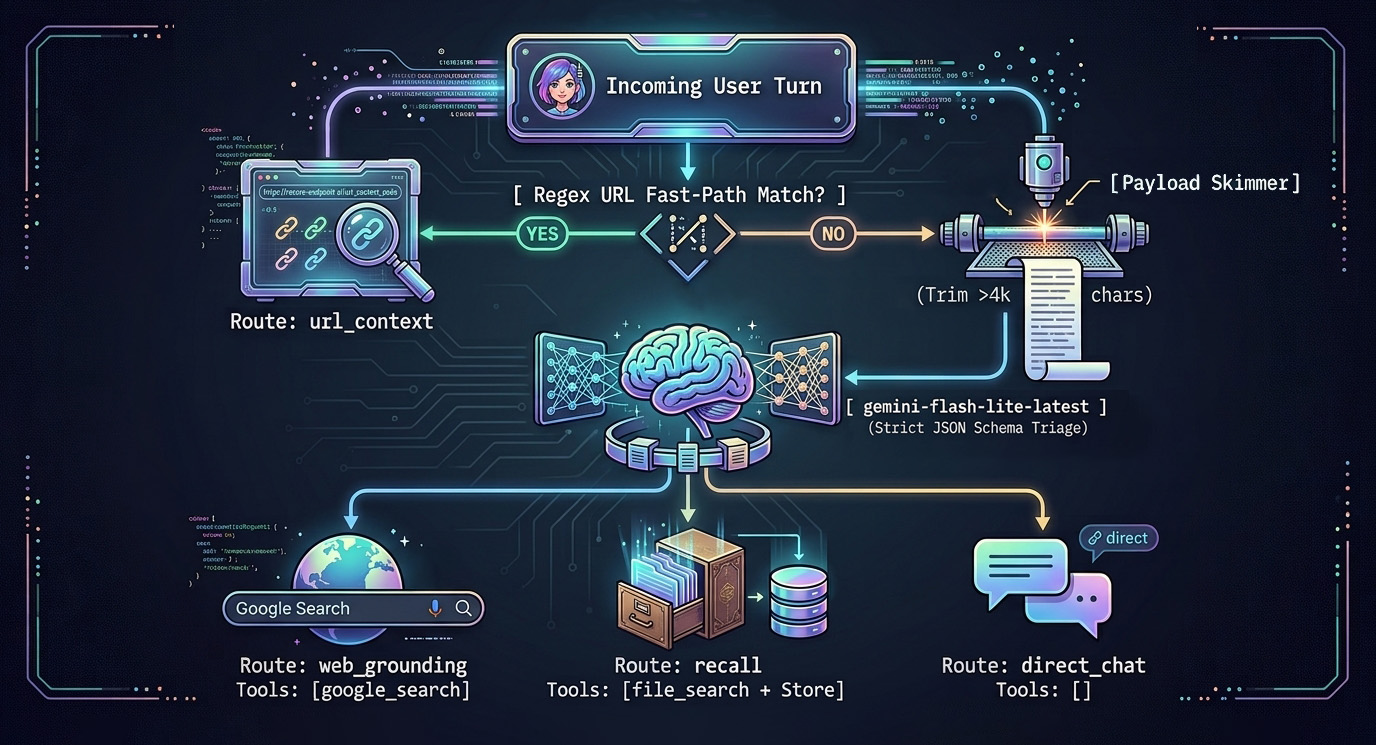
- Synaptic Core & Insight Reasoning Engines: Dynamically route runtime processing across Comms (ultra-responsive Flash Lite), Task (standard production), and Expert (unrestricted deep-logic analytical cores). The real-time Insight slider lets users dial cognitive overhead from instant text responses to maximum deep-thinking token budgets.
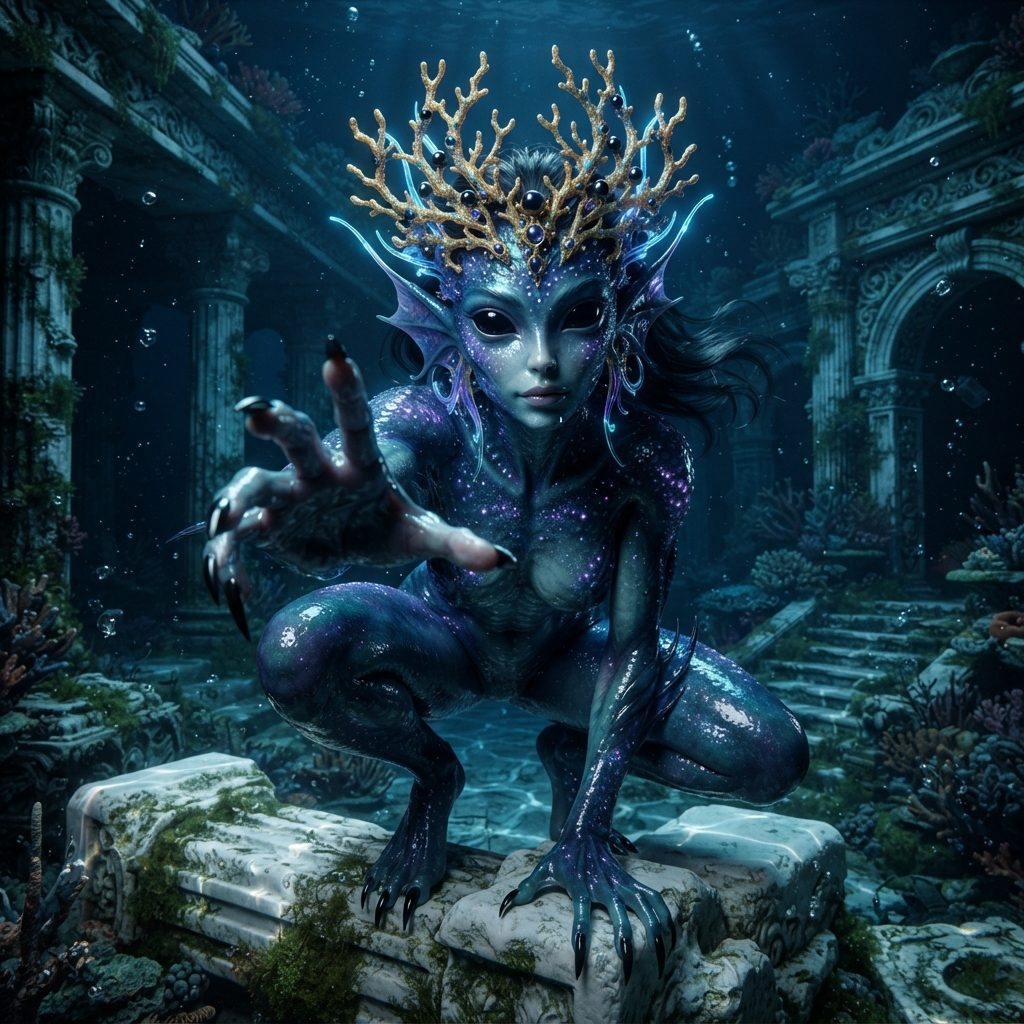
- MagiKat Creative Suite: A built-in multimedia production studio. Includes conversational multi-turn image generation across 3 Nano Banana model tiers, plus full cinematic video synthesis supporting both Veo 3.1 and Gemini Omni Flash across numerous multimodal task modes (Text-to-Video, Loop Interpolation, Reference, Edit, +10s Scene Extensions).
- Director's Studio & Soundtrack Mixer: Fine-tune optical lighting profiles, camera movements (Dolly Zoom, 360° Orbit, Whip Pan), lens grids (Fisheye, Anamorphic Flare, Tilt-Shift), and mix in background audio backdrops from an integrated 59-genre soundtrack library (Synthwave, Dark Jazz, Math Rock, City Pop, 16-Bit JRPG).
- Multi-Modality File Ingestion: Upload and parse local images, video files, audio tracks, PDFs (with page-level citations), and complex multi-file code repositories natively within the split-panel workspace. Includes immediate YouTube link analysis with automated timestamp navigation and full text extraction.
- A!Kat Alive! Full-Duplex Voice & Vision: Low-latency real-time conversational streaming with live screen sharing and camera capture.
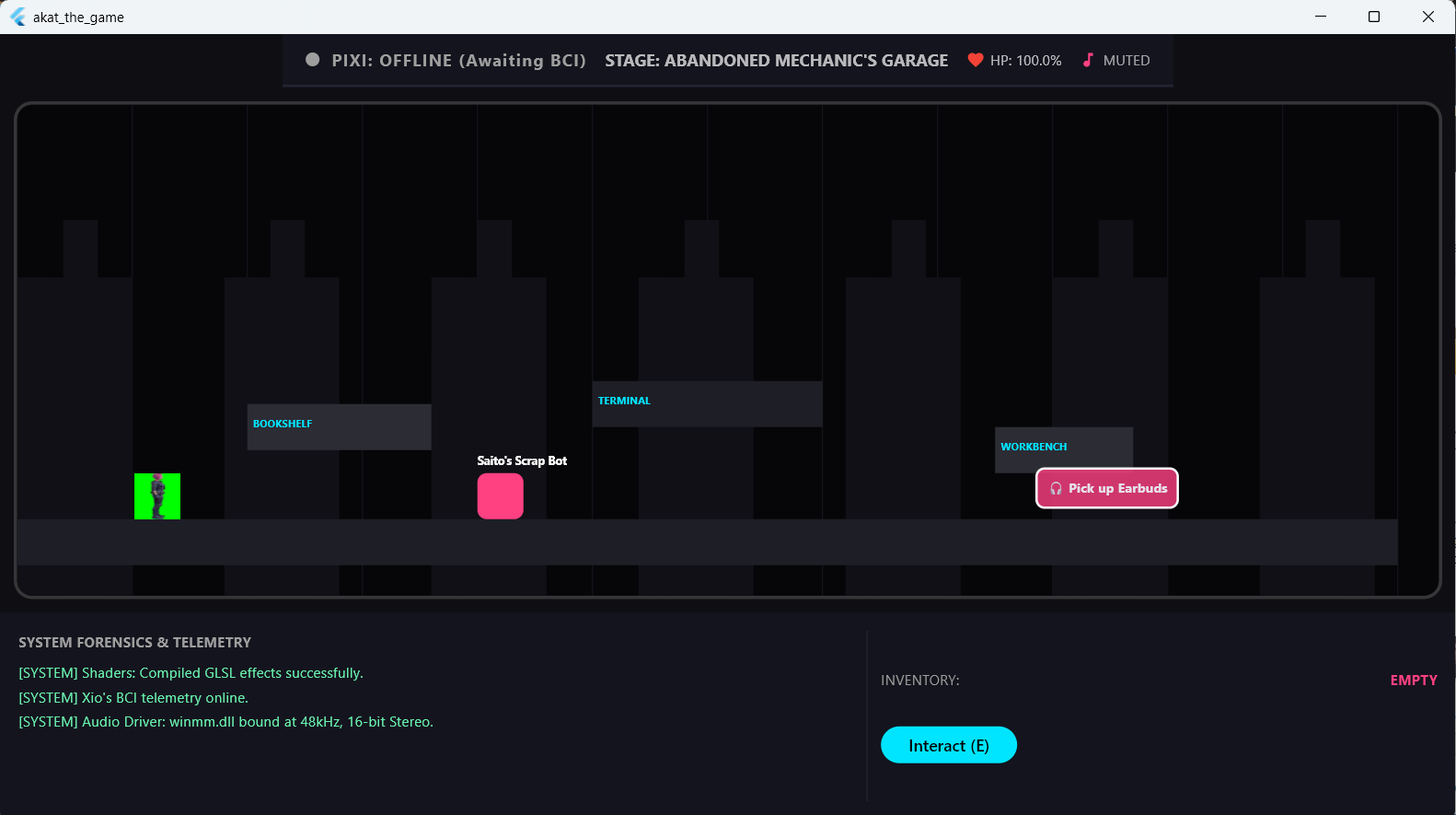
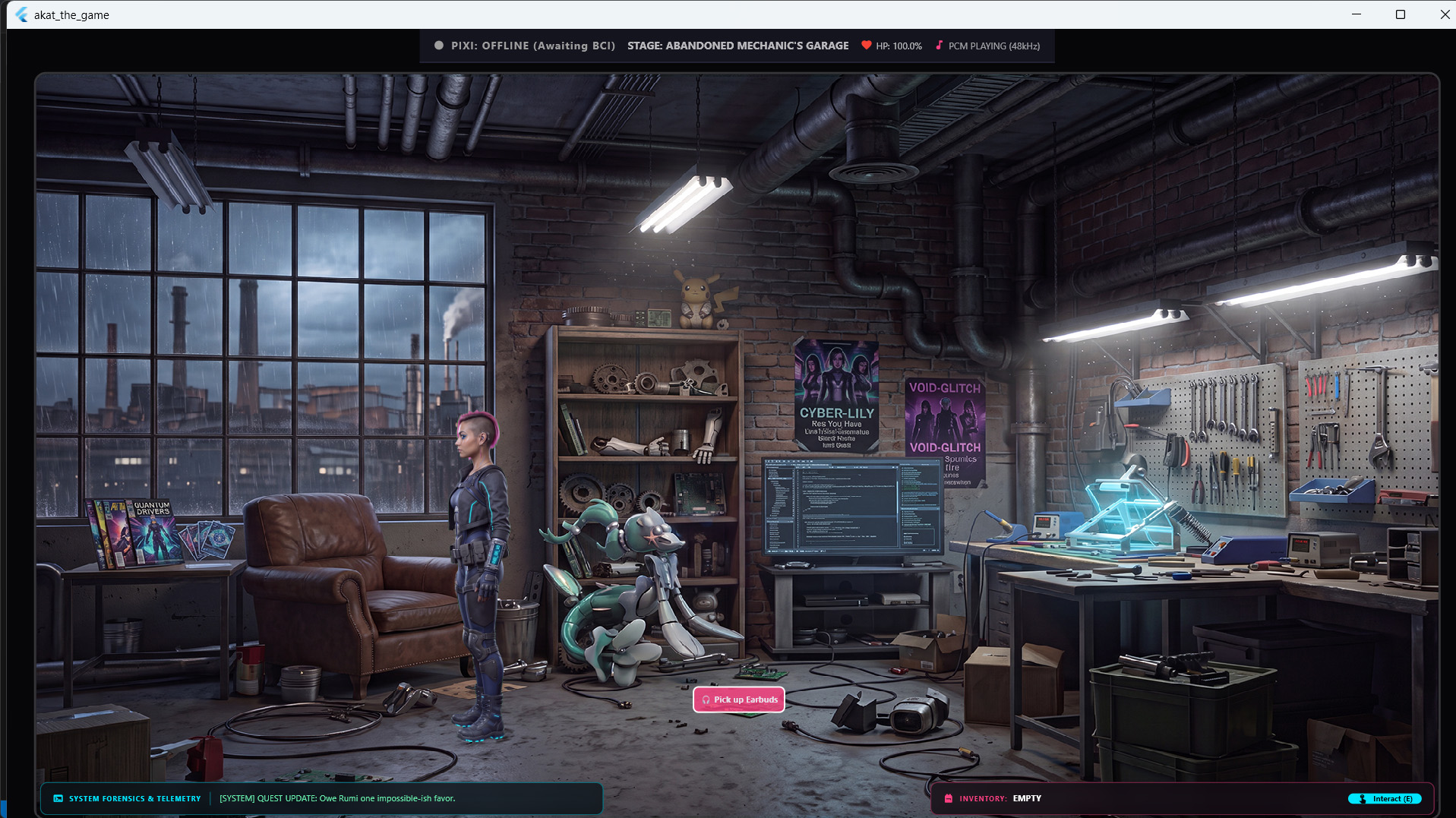
- A!Kat Arcade & Milestones Engine: Launch interactive titles like the Shiny Hold'em poker variant (featuring a 97-track rarity-tiered soundtrack), Stellar Siege, or Nexus Link, while tracking your cooperative workflow history to unlock Kroma credits and achievement badges.
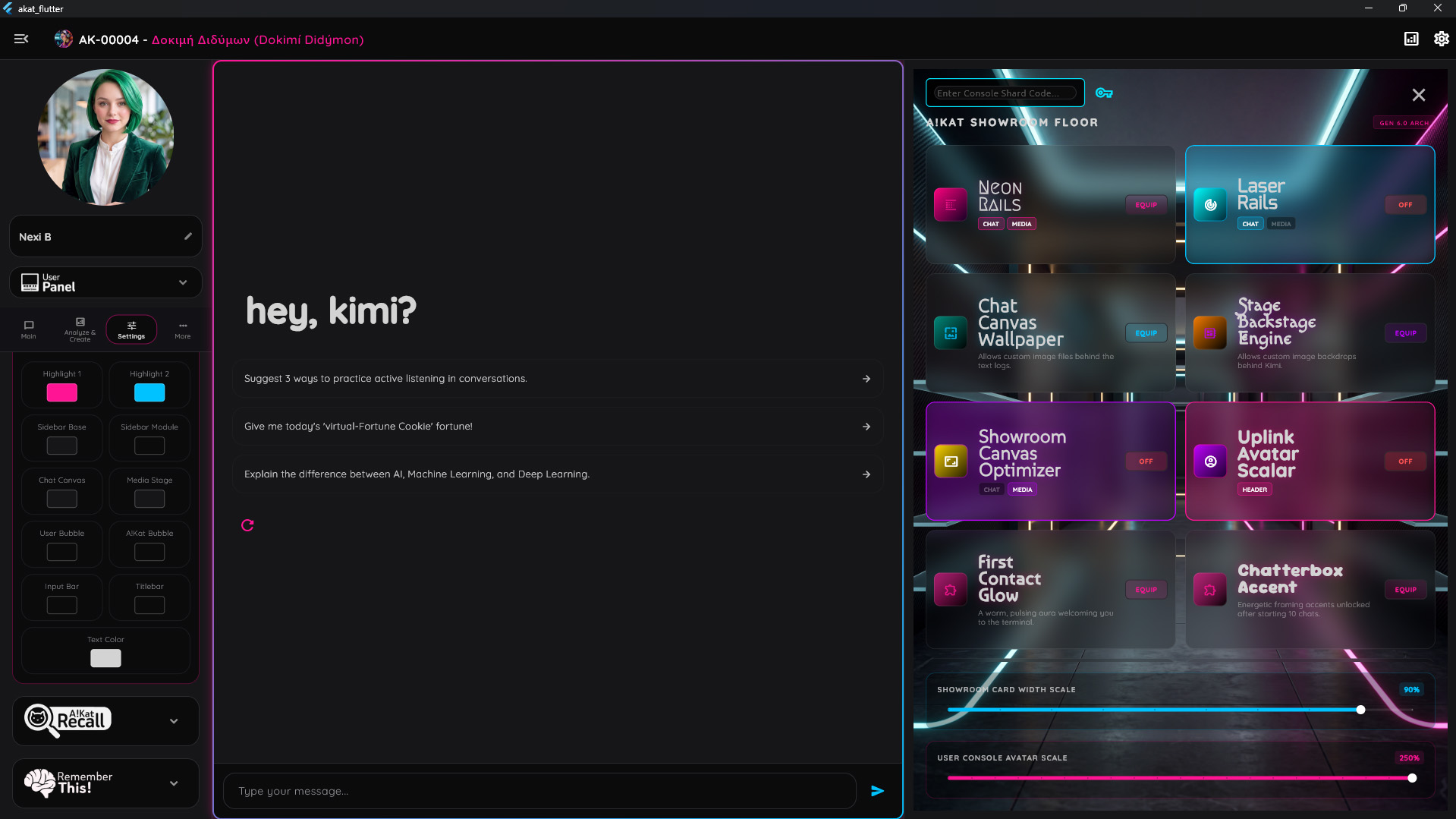
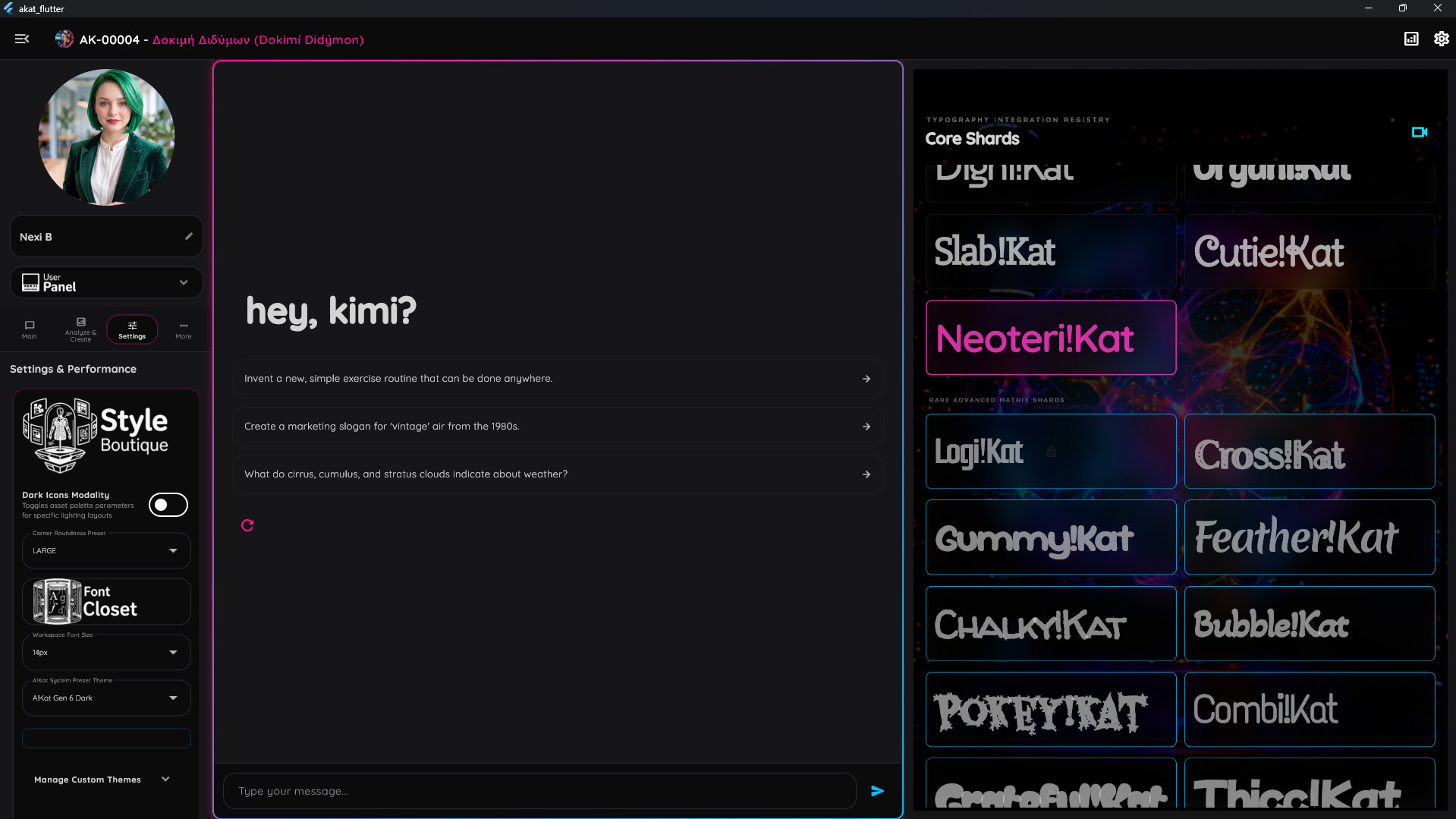
- The Style Boutique & Theme Center: Complete structural customization. Customize corner radius geometry, scale typography across the Font Closet's 60+ boutique typefaces, adjust a 102-shade hex palette matrix, or equip unlockable progression-tree Theme Modules with zero microtransactions.
The Graduated 4-Tier Commission Matrix
To serve our expanding community of visual artists, power users, and enterprise builders, our pricing structure now provides four distinct engagement tiers:
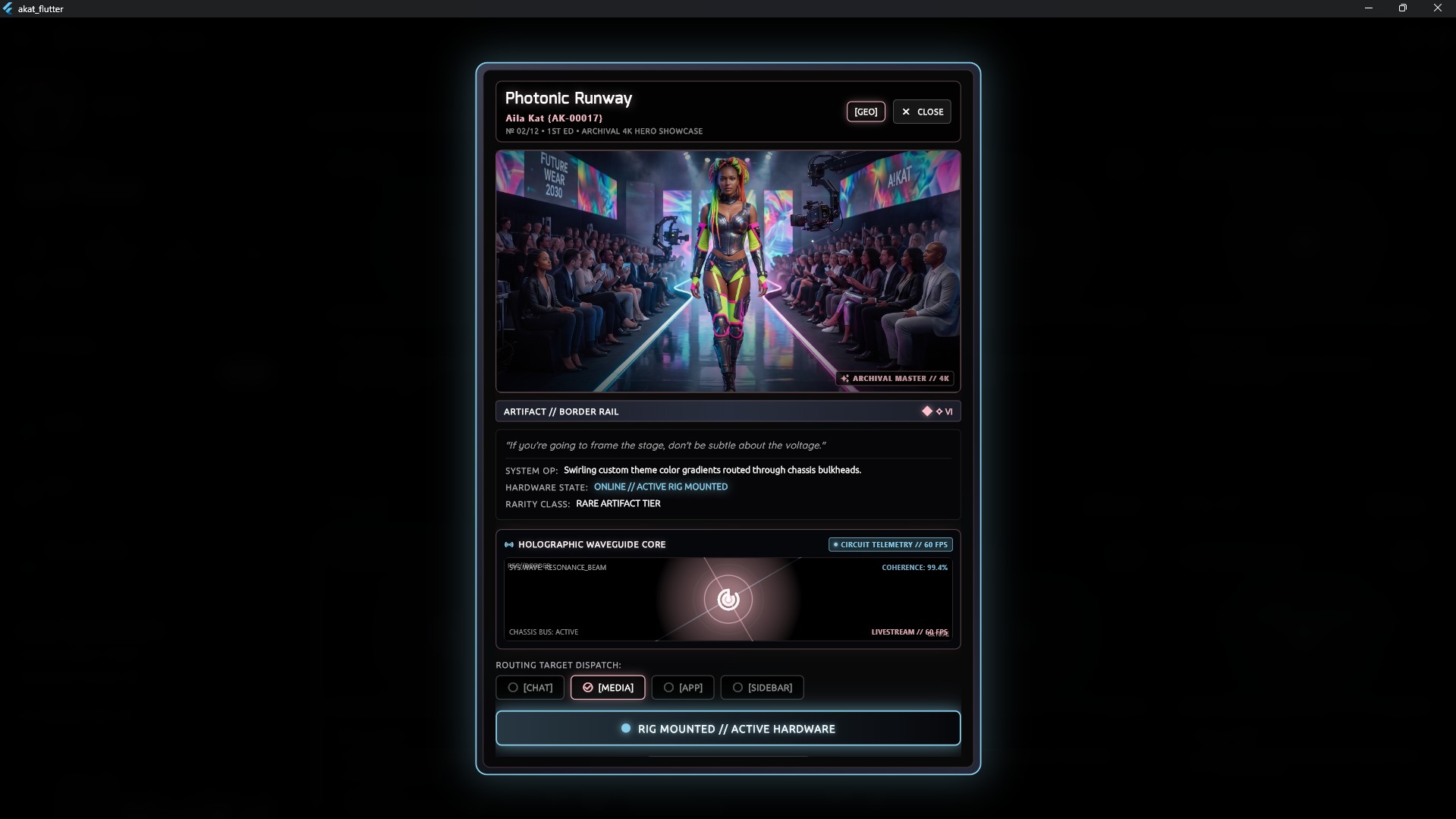
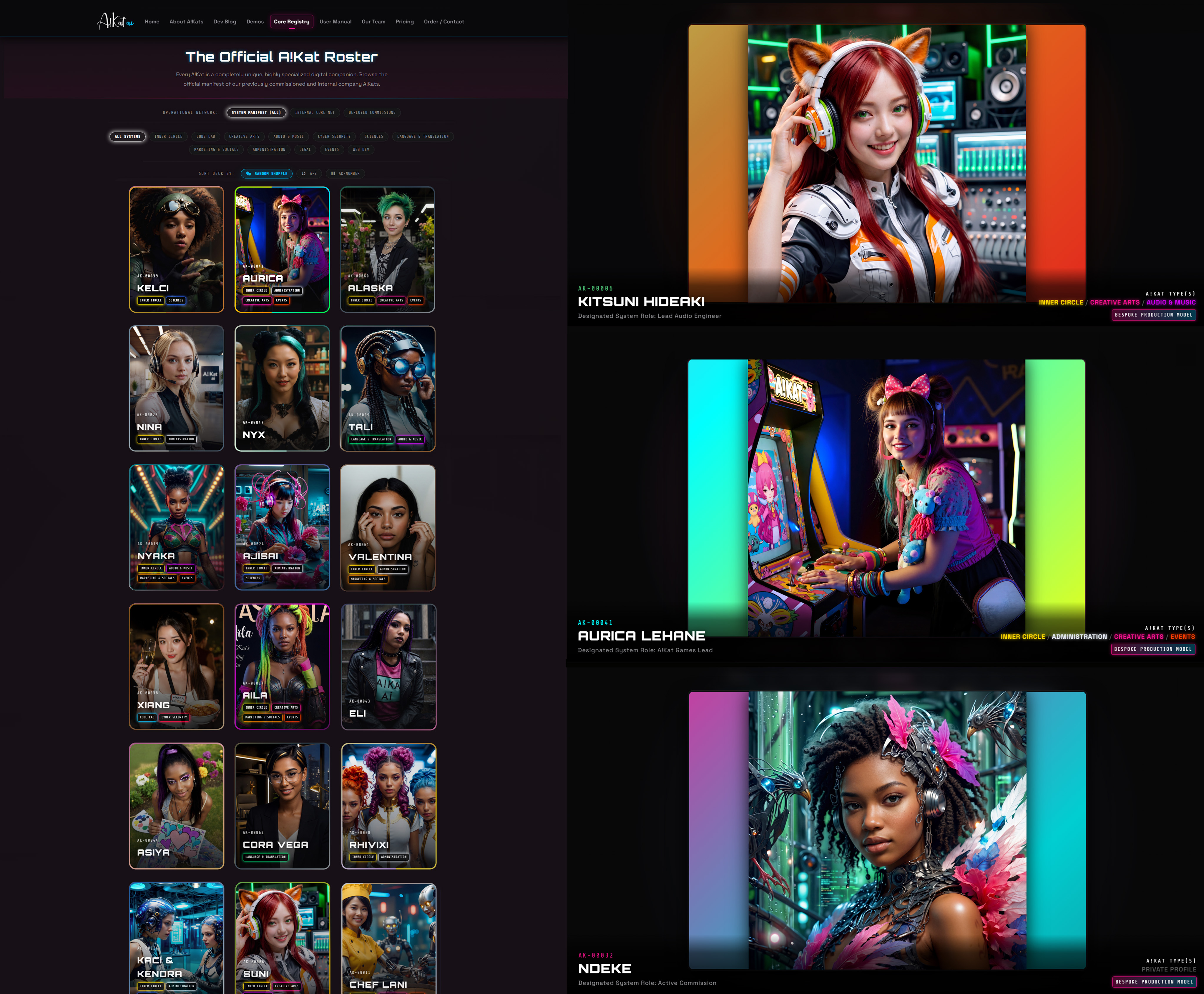
1. Guest OC Showcase ($59): We've repurposed our classic $59 price tag into an artist-first initiative! Character illustrators, comic artists, VTubers, and more can now induct their Original Characters into our interactive holographic A!Kat Core Registry. Each OC receives custom primary/secondary/tertiary gradient borders, official lore classification badges, and a prominent fullscreen link driving our global technical audience directly to the artist's shop or portfolio.
2. VibeSync™ Expansion Packs ($79): A modular upgrade path for existing A!Kat owners. Adds 5 new bespoke 9:16 vertical video reaction loops (new outfits, seasonal backdrops, or custom emotion states like [GAMING] or [CONCERT]) tailored to your unique A!Kat.
3. Bespoke Gen 6 Companion ($249): The baseline sovereign companion build. Includes complete master avatar concepting and sign-off, KPAK persona authoring, full directorial voice setup, private Google Vector memory vault indexing, local Gemma edge triage, and a guaranteed baseline floor of 15 bespoke 9:16 vertical VibeSync video loops (with surplus successful coherent renders bundled in at no extra charge).
4. Master Atelier Suite ($499): The ultimate white-glove flagship build. At double the base commission, this tier includes our comprehensive 40+ 9:16 vertical VibeSync video loop matrix (covering every subtle emotional nuance and conversational posture), multi-turn reasoning calibration across all three synaptic nodes, dedicated tool grounding integration, 1-on-1 onboarding support, plus two major tier-exclusive bonuses:
- ONE Totally Exclusive Master-Tier Feature: A dedicated, top-tier computational capability built directly into the client runtime (details to be announced soon!).
- The Top-Tier Exclusive Aesthetic Vault: An exclusive bonus pack containing custom Master Atelier-only boutique Fonts, ultra-rare Theme Presets, and handcrafted Theme Modules permanently unlocked in the Style Boutique.
As always, our sovereign guarantee stands firm: pay once for your handcrafted software configuration, connect your own API key, and pay Google directly for raw token consumption. Zero subscriptions. Zero middleman markups. Permanent digital sovereignty. Explore the updated tiers on our Pricing & Terms page.